
The Allure of Casino Games
The vibrant lights, the sounds of rolling dice, and the thrill of spinning wheels contribute to the irresistible charm of casinos. In fact, many players often seek out the best bitcoin betting sites to enhance their gaming experience. This allure is deeply rooted in psychological triggers that affect player behavior. Casinos are designed to create an immersive experience that captivates players, encouraging them to stay longer and spend more. The strategic use of sensory stimuli plays a crucial role in maintaining high levels of engagement.
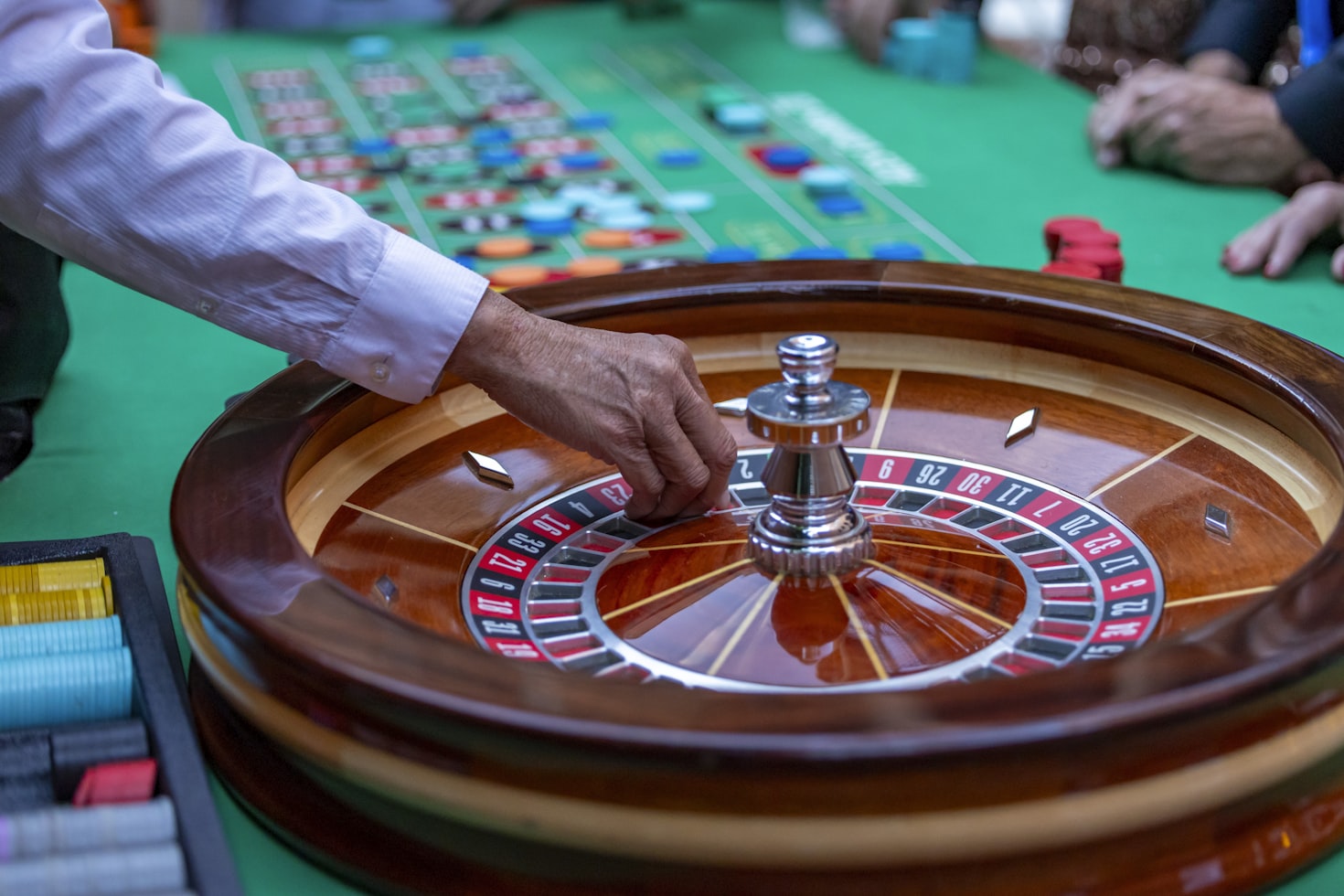
Moreover, the excitement of potential winnings and the adrenaline rush associated with risk-taking can lead players to make impulsive decisions. The unpredictability of outcomes reinforces the excitement, making it difficult for players to walk away, even after a significant loss. Understanding these psychological elements helps explain why many individuals are drawn to casino environments.
The Role of Game Design
Game design is a critical factor in attracting and retaining players in casinos. Each game incorporates various elements that not only enhance entertainment but also exploit psychological tendencies. For instance, the layout of slot machines, with their bright colors and engaging themes, is engineered to draw players in and hold their attention.
Additionally, the reward systems used in casino games, such as near misses and incremental jackpots, can create a false sense of control and encourage continued play. Players often underestimate the house edge, which is intentionally masked by favorable graphics and thrilling animations. This misperception can lead to a cycle of repeated play, driven by the hope of recouping losses or hitting a big win.
The Psychological Impact of Winning and Losing
The psychology of winning and losing significantly affects player behavior in casinos. Winning, even in small amounts, can trigger a rush of dopamine in the brain, leading to feelings of pleasure and satisfaction. This positive reinforcement encourages players to continue gambling, often leading them to chase losses in the hopes of experiencing that same high again.
Conversely, losing can lead to frustration and a desire to reclaim lost money. The emotional rollercoaster of gambling can create a cycle of behavior that keeps players engaged. This phenomenon is often referred to as the “gambler’s fallacy,” where players believe that past events can influence future outcomes, leading them to make irrational betting decisions.
The Social Dynamics of Gambling
Gambling is not only an individual activity; it often involves social interactions that can influence behavior. Whether in a physical casino or playing online, the presence of other players can create a sense of community and shared experience. This social aspect can heighten the excitement and lead to increased spending as players seek social validation and camaraderie.
Furthermore, social comparison can play a significant role in decision-making. Players may feel pressured to bet more to keep up with friends or peers, leading to behaviors that they might not typically engage in alone. The influence of social dynamics is crucial in understanding the psychological components that contribute to player behavior in casinos.

Ensuring Safe and Secure Gaming Experiences
In today’s digital age, safe and secure gaming experiences are paramount. As players engage in online gambling, ensuring that their personal and financial information is protected is critical. Advanced security measures, including encryption and secure payment gateways, have become standard in reputable online casinos.
Moreover, providing clear guidelines and support regarding responsible gambling is essential for maintaining player trust and safety. Reputable platforms prioritize user well-being, offering resources to help players manage their gambling habits. By fostering a secure environment, these gaming sites not only protect users but also enhance their overall experience, ensuring that the thrill of the game remains enjoyable and safe.