The psychology behind gambling Understanding the emotional rollercoaster
The Nature of Gambling and Its Appeal
Gambling captivates millions around the world due to its inherent unpredictability and excitement. The thrill of risk, combined with the potential for substantial rewards, creates an alluring atmosphere that is hard to resist. This attraction can be traced back to our primal instincts; humans have always been drawn to chance and competition. The rush of adrenaline produced by gambling mimics other thrilling experiences, leading to emotional highs that can be addictive. Platforms like wildsino.nz offer a myriad of gaming options that cater to this intrinsic desire for excitement.

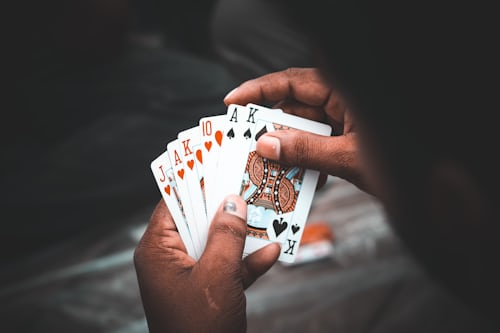
Moreover, the social aspect of gambling adds another layer of complexity. Many people enjoy the camaraderie found in casinos or during online games with friends. This shared experience can amplify the emotional responses associated with gambling, creating a sense of belonging. People often share stories of their wins and losses, contributing to a communal identity centered around the thrill of the gamble.
The design of gambling environments plays a significant role in enhancing this allure. Bright lights, engaging sounds, and the tactile nature of chips and cards stimulate the senses, creating an immersive experience. These sensory elements can evoke positive feelings, making it easy for players to lose track of time and money. This environment is intentionally crafted to keep players engaged and emotionally invested, further deepening the psychological connection to gambling.
The Emotional Rollercoaster of Winning and Losing
The emotional responses to gambling can be likened to a rollercoaster ride. Winning brings euphoric highs, while losing can result in devastating lows. The thrill of hitting a jackpot can release a flood of dopamine, often referred to as the “feel-good” chemical, which reinforces the behavior. This can lead players to chase the next big win, fueling a cycle of risk-taking behavior that becomes difficult to break.
On the other hand, losses can induce feelings of frustration, despair, and even anger. The emotional fallout from losing can lead some individuals to gamble more, hoping to recoup their losses. This phenomenon, known as “loss chasing,” can become a vicious cycle. The desire to recover lost funds can lead to irrational decision-making, pushing gamblers to take on more significant risks than they would otherwise consider.
This emotional rollercoaster can also create a false sense of control. Players often believe that they can influence the outcome, especially when engaging with skill-based games. This belief can lead to overconfidence and encourage further gambling, even when the odds are not in their favor. Understanding these emotional dynamics is crucial for individuals to recognize when gambling is becoming problematic.
The Role of Cognitive Biases in Gambling Behavior
Cognitive biases significantly influence gambling behavior, often leading players to make irrational decisions. One common bias is the “gambler’s fallacy,” the belief that past events can influence future outcomes. For example, a player may think that after several losses, a win is “due,” leading to increased betting. This misconception can perpetuate the cycle of gambling, as players continue to invest time and money based on flawed reasoning.
Another critical cognitive bias is the illusion of control, where gamblers believe they can influence the outcome of games that are purely based on chance. This is particularly prevalent in skill-based games like poker, where players may overestimate their abilities. This skewed perception can lead to more frequent gambling and larger bets, as individuals feel empowered to predict outcomes.
These cognitive biases are often reinforced by the design of gambling environments, which may highlight wins while downplaying losses. This selective perception creates an illusion that winning is more common than it actually is, encouraging players to return despite negative outcomes. Understanding these psychological traps is vital for gamblers to develop healthier behaviors and recognize when they are acting against their best interests.
The Impact of Emotional Well-Being on Gambling Choices
The emotional state of an individual can significantly affect their gambling choices. People often turn to gambling as a means of coping with stress, anxiety, or depression. The temporary escape that gambling provides can be enticing, but it can also lead to dependency. This emotional reliance on gambling can exacerbate existing mental health issues, creating a cycle that is difficult to break.
Additionally, gambling can serve as a distraction, allowing individuals to temporarily forget their problems. While this may provide short-term relief, it often leads to longer-term emotional distress. Gamblers may find themselves sinking deeper into financial trouble, which can lead to feelings of shame and guilt. This, in turn, can fuel further gambling as a means of escape, perpetuating a harmful cycle.
Moreover, the social dynamics of gambling can also affect emotional well-being. Individuals may feel pressured to continue playing to maintain social connections or avoid disappointing friends. This external pressure can lead to compulsive behavior, where individuals gamble beyond their means in an effort to fit in or impress others. Recognizing these emotional triggers is crucial for anyone looking to maintain a healthy relationship with gambling.


Exploring Responsible Gambling and Supportive Resources
Understanding the psychological aspects of gambling is essential for promoting responsible gaming. Many organizations and online platforms, such as Wildsino Casino, provide resources aimed at educating players about responsible gambling practices. Offering tools such as deposit limits, self-exclusion options, and access to support networks can help individuals take control of their gambling habits.
Furthermore, education about the psychological impacts of gambling can empower players to make informed choices. Providing information on cognitive biases and emotional triggers can help individuals recognize when their gambling behavior is becoming problematic. By fostering awareness, players can develop healthier habits and seek help when needed.
Wildsino Casino also emphasizes the importance of a supportive community. Players are encouraged to share their experiences and seek assistance when necessary. This open dialogue can help reduce the stigma associated with gambling issues, making it easier for individuals to reach out for help. By prioritizing education and support, gambling sites can contribute to a safer and more enjoyable gaming experience for all.